A preschool playground is more than a place for children to run around. With appropriate supervision and age-appropriate equipment, playground time can provide valuable opportunities for physical, social, emotional, and cognitive development.
Creative Mind Preschool recognizes the value of outdoor play and provides children with opportunities to learn through active experiences.
Why Is Playground Time Important?
Young children need opportunities to move.
Playground activities can encourage:
- Balance
- Coordination
- Strength
- Confidence
- Social interaction
- Independence
- Problem-solving
- Imaginative play
Active play can complement quieter classroom activities and provide children with a different way to learn.
Physical Development Through Playground Activities
Climbing, running, jumping, balancing, and other age-appropriate activities allow children to practice movement.
For example, climbing can involve planning movements and maintaining balance, while running games can help children practice coordination and spatial awareness.
Playground Play Builds Social Skills
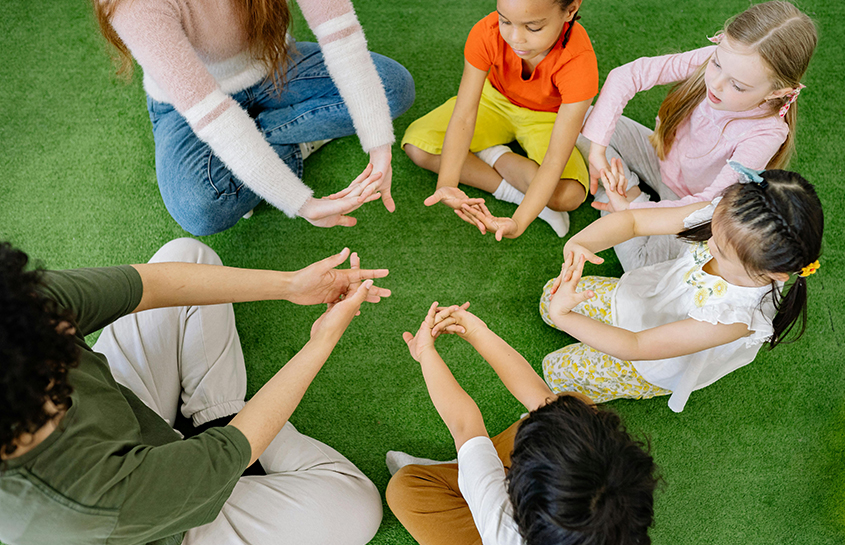
Playgrounds can also become social learning environments.
Children learn to:
- Take turns
- Share equipment
- Communicate
- Cooperate
- Follow simple rules
- Resolve small disagreements
These everyday interactions can help children develop important social skills.
Problem-Solving Through Play
Children often encounter small challenges during playground activities.
They might ask:
"How can I get across?"
"Which way should I climb?"
"How can we play this game together?"
These situations encourage children to think, make decisions, and experiment with solutions.
Creative Mind Preschool specifically highlights problem-solving as an important part of its early learning approach.
Imaginative Playground Activities
Playgrounds can also support imagination.
Children may turn ordinary play into imaginative adventures:
- Pretending to be explorers
- Creating group games
- Inventing stories
- Building imaginary worlds
- Acting out different roles
This type of play allows children to combine creativity with communication and social interaction.
What Makes a Good Preschool Playground?
Parents evaluating a preschool playground should consider:
| Feature | Why It Matters |
|---|---|
| Safety | Helps protect children during active play |
| Supervision | Ensures adults can respond when needed |
| Age-appropriate equipment | Supports children's abilities |
| Open space | Allows movement and group activities |
| Variety | Provides different types of play |
| Clean environment | Supports a healthy play experience |
Playground Safety
Playground activities should always be supervised and appropriate for the child's age and abilities.
A safe environment should provide suitable equipment, clear boundaries, responsible supervision, and routines that help children understand how to play safely.
Frequently Asked Questions
What do children learn on a preschool playground?
Children can develop physical coordination, confidence, social skills, communication, problem-solving abilities, and creativity through playground activities.
Is playground time educational?
Yes. Active play can create opportunities for children to practice physical, cognitive, social, and emotional skills.
How much supervision do preschool children need outdoors?
Young children should always be appropriately supervised during outdoor and playground activities, with supervision suited to the environment and children's ages.
Conclusion
A preschool playground can become an extension of the classroom where children learn through movement, exploration, cooperation, and imagination.
At Creative Mind Preschool, outdoor play complements its play-based learning philosophy, giving children opportunities to explore and develop while enjoying their preschool experience.