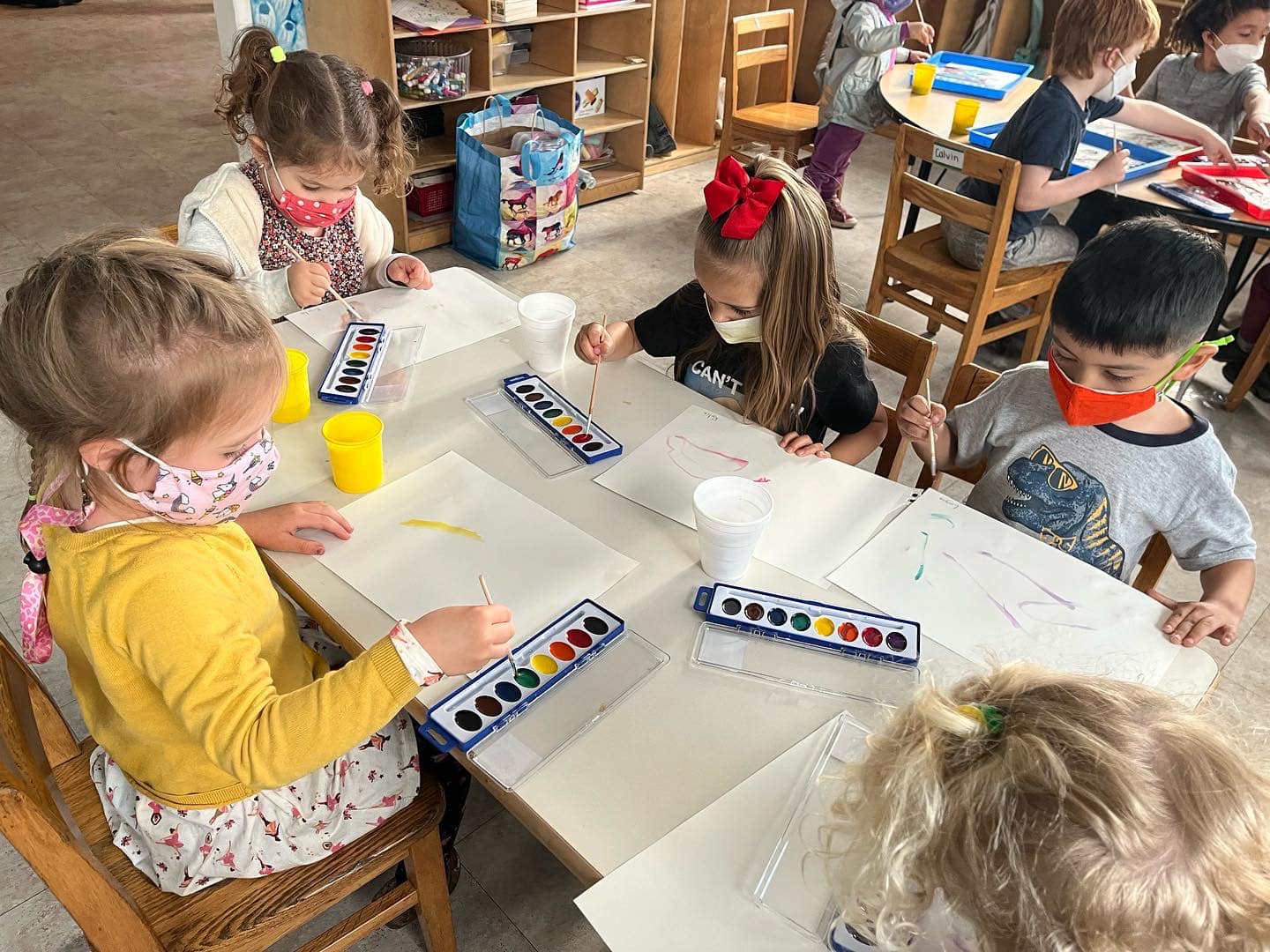
Choosing a preschool is about more than finding a place where children spend their day. The preschool classroom plays an important role in shaping how young children learn, communicate, explore, and develop confidence.
A thoughtfully organized classroom gives children opportunities to make choices, interact with others, experiment with new ideas, and develop important early learning skills. At Creative Mind Preschool, classroom experiences combine structured activities with play-based exploration to encourage curiosity and creativity.
What Makes a Good Preschool Classroom?
A good preschool classroom should feel welcoming, safe, engaging, and appropriate for young children. Instead of focusing only on traditional academic instruction, the environment should encourage children to learn through interaction and hands-on experiences.
Important elements include:
- Age-appropriate learning materials
- Creative activity areas
- Reading and storytelling opportunities
- Opportunities for independent exploration
- Spaces for group activities
- Hands-on learning experiences
- Safe areas for movement and play
When children feel comfortable in their environment, they are more likely to participate, ask questions, and explore new activities.
How Preschool Classrooms Support Early Learning
Children learn in different ways. Some enjoy drawing and creating, while others learn best through movement, conversation, experimentation, or imaginative play.
A play-based preschool classroom can support several areas of development at the same time.
Language and Communication
Storytelling, songs, conversations, and group activities help children practice listening and expressing themselves.
Creativity and Imagination
Art, pretend play, music, and open-ended activities give children opportunities to express their ideas and imagination.
Problem-Solving
Hands-on activities encourage children to think, experiment, make decisions, and discover different ways to solve problems.
Social Development
Group activities teach children how to cooperate, share, communicate, and interact positively with their classmates.
Why Play-Based Classroom Learning Matters
Play is not simply entertainment for young children. It can become an important part of how they explore concepts and understand the world around them.
At Creative Mind Preschool, play-based learning is combined with guided activities so children can explore while developing foundational academic and social skills.
What Parents Should Look for in a Preschool Classroom
Before choosing a preschool, parents can consider:
- Is the classroom safe and welcoming?
- Are activities appropriate for the child's age?
- Do children have opportunities for independent exploration?
- Are teachers actively involved?
- Is there a balance between structured learning and play?
- Are children encouraged to communicate and collaborate?
Frequently Asked Questions
What should a preschool classroom include?
A preschool classroom should include safe, age-appropriate learning materials, creative activities, books, interactive learning areas, and opportunities for both guided and independent play.
Why is the classroom environment important?
The classroom environment influences how comfortable children feel while learning. A supportive environment can encourage curiosity, communication, independence, and social interaction.
How does play help children learn?
Play allows children to explore ideas, practice communication, solve problems, use their imagination, and develop social skills through meaningful experiences.
Conclusion
A thoughtfully designed preschool classroom can become much more than a room filled with educational materials. It can become a place where children feel safe to ask questions, make discoveries, express themselves, and build confidence.
At Creative Mind Preschool, learning is treated as an adventure where children can explore, create, and develop through meaningful play-based experiences.